
Choosing furniture is not about filling a room. Small pieces like tables can make a big difference in how a room works every day. Accent tables next to a sofa can hold a drink, a lamp, books or a remote. It does not take up much space. The right size and placement can add surface area while keeping the room open and organized.
Start With the Function You Need
Before picking a table, think about what the room is missing. Do you need a place to set a lamp beside a chair? A small spot for keys and other small items? Knowing the purpose helps you pick a table that fits the way you really use the space.
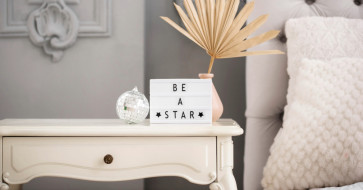
In a seating area, accent tables can hold drinks, reading material, lamps or decorative things. They can also fit into gaps without making the room feel tight. In an entryway, a small accent tables can give you a spot for keys and other daily essentials. The goal is not to add furniture just because there is room. It is about solving a problem.
Think about how the table will be used. A table beside a frequently used chair should be easy to reach. A table farther from the seating area might be more for looks. Thinking about your habits can help you avoid buying a table that looks nice but does not help the room. This is also useful when choosing accent furniture for different areas of the home.
Choose the Right Size for the Space
Size matters for both comfort and movement. A table that is too big can make a seating area feel cramped. One that is too small may not give enough surface space. Measure the area before shopping. Think about the height of furniture like sofas, chairs and cabinets.
For seating areas, an accent table should match the furniture around it. A surface at the right height is easier to use for setting down a cup, turning on a lamp or grabbing a book.
Leaving room to walk around the table helps people move through the space without bumping into it. This is especially important when choosing living room tables because the seating area is often one of the busiest parts of the home.
Shape matters too. Round accent tables can soften a room with straight lines. They also work well in smaller spaces because they have no corners. Square and rectangular tables offer more surface area. They often fit neatly beside sofas or along walls. When floor space is limited, an accent table can add function without crowding the layout.
Think About Placement and Everyday Movement
Good placement can make an accent table feel like a part of the room, not just another piece of furniture. Look at where people sit, walk and read. Enter the space. The best spot is usually one where the table is easy to reach without blocking doors, walkways, drawers or other furniture.
In a living room, living room tables should support the seating, not get in the way. A table beside a sofa can keep things within reach. A small table between two chairs can serve both people. If you have a larger room, placing a table in an unused corner can create a useful spot for lighting, books or a plant.
Do not forget the space behind or beside furniture. A narrow accent table can sometimes make better use of a wall or corner than a large cabinet would.
Before deciding where to put the table, walk through the room as you normally would. This simple check can show if the table blocks movement or makes the space easier to use.
Use Tables to Improve Storage and Organization
Accent tables can make a difference. A useful accent table does more than give you a surface. Depending on the design, it can also help keep things organized. Shelves, drawers, lower compartments and baskets can store items without needing a big storage unit.
This is especially helpful in rooms where small things tend to pile up. A drawer can hold remotes, chargers or stationery. An open shelf can keep books or magazines. A simple lower shelf can give you a home for items that would otherwise end up on a sofa or other surface.
The key is to match the storage style to the room. Open shelving makes it easy to grab things but can look messy if it gets too full. Drawers and closed compartments keep things hidden. Choose the option that fits your habits and the space you actually need.
Coordinate With the Rest of Your Furniture
A table does not have to match every piece in the room. It should feel like it belongs. Think about the finishes, materials, colors and shapes in the room before choosing. A well-chosen table can add contrast while keeping the room balanced.
Accent furniture can be useful when you want to bring a different material or finish into the room without changing larger pieces. A wood table can add warmth, while a different finish can create contrast. The goal is to make the table feel connected to the rest of the room.
When choosing accent furniture, also consider the size of the surrounding pieces. A small table can disappear beside a large sofa, while a heavy table may make a small seating area feel crowded. The right balance can make the room feel more complete without adding too much.