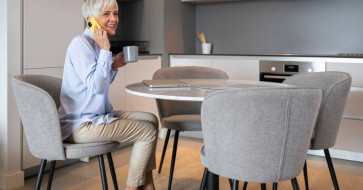
Combining furniture styles is an emerging concept in contemporary interior design, although when not done correctly, this could easily turn out to be a mess.
First, it is important to determine your base style since this will serve as your backbone for the entire interior design project. From this point forward, you can add another style that will complement it.
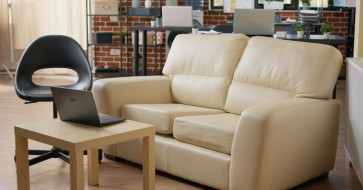
Contrast but balance is what you have to maintain in order to achieve success in combining two different furniture styles. For instance, you may pair up a sleek sofa with a coffee table made from wooden materials.
Finally, it is essential to remember that colors should match one another. While there might be two entirely different styles at play, they should be unified with the help of a common color scheme, preferably neutral tones.
Another thing to consider is texture. Combining various
A small home is not necessarily a claustrophobic one. The main reasons why people may think that their homes are too crowded lie in the improper use of furniture.
Firstly, people who have too crowded living spaces tend to place all furniture against the walls, trying to leave enough open floor space. However, such an approach will make the furniture look like it is not even part of the room, so it is better to pull it in slightly.
Secondly, the use of oversized furniture in small rooms is a mistake. People need enough space around themselves when they move about. On the other hand, the abundance of furniture makes the space visually cramped.
Thirdly, people tend to forget about traffic flow when they furnish the rooms. It means that some pathways become blocked by the improperly placed furniture.
Even lighting is an aspect that can be ignored. Placement of furniture that obstructs windows or sources of light can make a room appear darker and cramped.
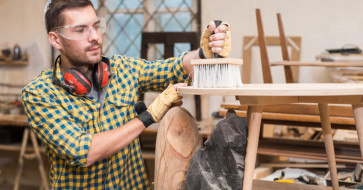
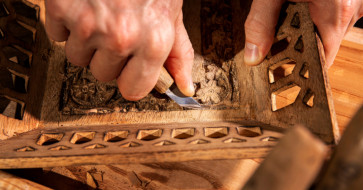
There is a unique quality to furniture made by hand.
One can sense it.
By 2026, people will be looking for furniture items that are not produced in bulk and that have a human touch to them. These subtle irregularities and natural textures will no longer be considered defects but rather assets (HummingHaus).
Why?
Humans have a connection with stories.
Handmade furniture tells the story of its creation, its creator, and its purpose.
In a world of mass-produced furniture items, this becomes very valuable.
No longer will furniture simply serve a functional purpose.
Now, it also serves an emotional one.
Luxury was once synonymous with cost.
It now refers to comfort.
By 2026, stiff, traditional living rooms no longer impress anyone; rather, people gravitate towards environments that beckon them to stay for a while.
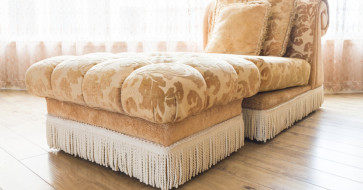
This explains the current popularity of comfort-oriented designs, particularly plush materials, curvaceous forms, and welcoming arrangements.
According to industry experts, people are creating their safe spaces, complete with furniture meant to promote relaxation and positive psychological wellness (Good Housekeeping).
It makes sense from a psychological standpoint.
Softer materials and rounder edges alleviate anxiety. They create environments that are more soothing and human-friendly. This is why curved sofas and upholstered seats are being favored over angular and hard-edged furniture.
The
The pace of life keeps on changing in current times, and the conventional furniture is no longer able to keep up with the demands. That’s precisely the reason why modular furniture has emerged as one of the most popular interior design trends in recent years. Modular furniture enables the homeowner to adjust his furniture as per his lifestyle, rather than sticking to a specific structure.
Modular furniture is all about customization. From sofas to storage units and tables, you have plenty of choices when it comes to modular furniture that can fit your needs.
Modular designs not only provide practical benefits, but they also provide emotional security. It allows people to have a sense of security about the control of their surroundings because they can change the design of the place as and when they please to refresh themselves.
Modular furniture will be the future of living due to the increasing trend of city life.
Your house is not only the physical space that surrounds you; rather, it reflects what is inside your mind. Your furniture arrangement, choice of colors, and seating arrangement could make more difference to your state of mind than you think. The layout of your house determines whether it will cause stress for you or help you relax.
Furniture arrangement affects the way you perceive space and your environment. A layout with open spaces and paths allows you to feel freer and happier. When the rooms seem crowded, you feel exhausted and stressed. It may sound simple, but arranging your couch so it faces light can have significant benefits on your mood.
Color psychology plays a vital role as well. Earthy tones and softer colors provide a soothing effect, whereas too much darkness and intensity might prove to be draining. Additionally, soft and comfortable furniture
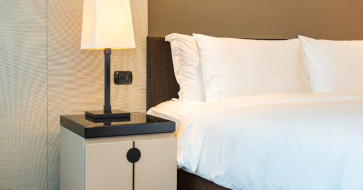
A good bedroom plan should reflect a quiet retreat that encourages relaxation while still being organized and practical. The starting point for any good bedroom plan is a comfortable and long-lasting bed, which is important for sleep quality and general wellness. Accompanying the bed with useful night tables is important for accessibility while still looking balanced.
Storage is another important consideration in a bedroom plan. Using wardrobes, chests, and under-bed storage makes it easy to keep the space organized, which is important for a clutter-free environment that encourages relaxation and tidiness. Modern bedroom furniture is based on minimalism, with clean lines and simple colors to encourage a sense of space.
The quality of materials used in a bedroom plays a crucial role in ensuring a long-lasting durability and comfort. Soft textures, colors, and lighting also play a role in providing a relaxing environment. In addition, the arrangement of furniture can be
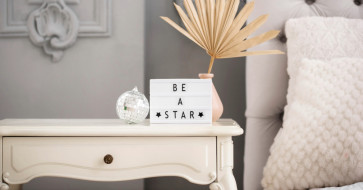
Accent furniture is a great way to spruce up your home, and it is arguably one of the easiest and most effective means of doing so. Accent furniture consists of accent chairs, side tables, ottomans, decorative cabinets, among other items. The most important thing when working with accent furniture is balance. Accent furniture pieces that differ from your main furniture, be it in color, texture, or shape, are a great means of creating a focal point. For instance, a brightly colored accent chair in a room filled with neutral-hued furniture is a great means of sprucing up your space. Accent furniture also has practical uses. In a small space, multifunctional furniture such as storage ottomans or small tables will be very practical. In a large space, multifunctional furniture will be used to fill in empty space and make the area look more cohesive. With the right selection of accent furniture in a style that reflects your
A dining table is rarely just a table.
It becomes the place where your day begins—with quick breakfasts and unfinished conversations. It’s where evenings slow down, where stories stretch longer than meals.
Choosing the right one isn’t about trends. It’s about how you live.
A large table invites people to stay. A smaller one creates closeness. The material matters too—wood feels warm and familiar, while glass feels light and open.
But more than anything, it’s about presence.
When a table fits your life, you don’t notice it. You just use it—every day, without thinking.
And over time, it quietly becomes part of your story.
Sometimes, nothing is “wrong” with your home—but something doesn’t feel right.
You might notice it when you walk in after a long day and don’t quite feel relaxed. Or when you keep shifting from one spot to another, trying to get comfortable.
That feeling often has less to do with your furniture—and more to do with how it’s placed.
When pathways feel tight, or when you have to walk around furniture instead of naturally through a room, your space starts working against you. A simple rearrangement can change that.
Light is another quiet signal. If your favorite chair sits in a dark corner, you may avoid it without realizing why. Moving it closer to natural light can bring it back to life.
Sometimes, it’s about connection. If your seating doesn’t face each other, conversations feel distant. A small shift can make your space feel more welcoming and alive.
Your home doesn’t need new furniture. It just needs to breathe differently.