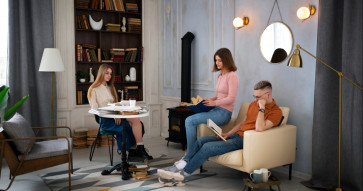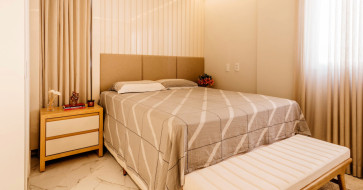

A family home needs furniture that looks good, feels comfortable, and can handle everyday life. Between movie nights, homework, guests, meals, pets, and the occasional spill, furniture has to do more than simply fill a room. A family friendly sofa can provide the comfort and practicality needed for busy family spaces while still complementing the overall style of your home. From sofas and chairs to storage pieces and dining furniture, thoughtful selection can help every room work better for everyone.
Start With How Your Family Uses the Space
Before choosing colors, fabrics or styles think about what happens in each room. A living room that is used for lounging needs furniture that suits a setting while a formal sitting area is mostly reserved for guests. Consider who uses the space how often it is. What activities usually take place there.
If children regularly play in the living room a family friendly sofa and sturdy tables may be more useful than pieces. If family members work or study at home you may need seating, a practical desk or storage that keeps supplies within reach. Households that frequently host relatives or friends may benefit from seating that does not overcrowd the room.
Making these decisions first prevents you from buying furniture simply because it looks attractive in a showroom. A beautiful piece is an investment when it also fits the way your household lives.
Choose a Sofa That Can Handle Life
A family friendly sofa is often the centerpiece of a family living room. It is where people relax after work or school, watch television, read, chat with guests and sometimes fall asleep. That makes comfort important. Comfort should be balanced with construction, maintenance and the amount of use the sofa will receive.
When looking for a family sofa pay attention to the frame, seat support, upholstery and overall construction. A sturdy frame can help a sofa remain stable through use while supportive cushions can make periods of sitting more comfortable. If children or pets use the sofa, fabrics that are easier to clean can be a choice.
Color matters well. Light upholstery can show marks quickly in a household while mid-tone or patterned fabrics may be forgiving. However this does not mean you have to avoid colors. The best choice depends on your cleaning routine, household habits and personal taste.
Look for Materials That Match Your Lifestyle
Furniture materials should be selected according to how wear they are likely to receive. A household with children may need surfaces that're easy to wipe while a home with pets may benefit from upholstery that does not trap hair easily. Materials that require care may become frustrating when they do not suit routines.
For upholstery check the care instructions before buying. Ask how the fabric should be cleaned and whether removable covers are available if that feature is offered. Leather and some performance-oriented fabrics can be practical in homes while textured or delicate materials may require attention.
The same principle applies to tables and cabinets. Wood, engineered materials, metal and glass each have maintenance needs. Consider whether a surface will regularly encounter fingerprints, food, toys or drinks.
Prioritize Durable Sofas For Families Without Losing Style
Durability does not mean choosing furniture that looks heavy, basic or purely functional. Many durable sofas for families can still have a silhouette, upholstery and a style that suits the rest of the home. The key is to look beyond appearance and consider how the piece is built.
Check the quality of the frame, joints, legs, cushions and hardware where relevant. Furniture that feels stable and well constructed is generally a fit for areas that receive use. Avoid choosing a piece solely because it's inexpensive if replacing it after a short period would cost more in the long run.
Style should still have a place in the decision. If your home has a look, choose pieces with simple lines. For a space, classic shapes and warmer finishes can provide the practicality without looking out of place. Balance appearance, comfort and everyday performance.
Think About Size, Layout and Movement
Furniture can make a room uncomfortable when it is too large or arranged poorly. Measure the room before shopping, including doorways, stairways and other areas through which the furniture will need to pass. Then consider how much open space your family needs to move.
In a living room leave space for people to walk between seating and other areas. A large sectional may be comfortable. It can overwhelm a room. Likewise a coffee table should be positioned so people can reach it without blocking pathways.
Think about flexibility well. Lightweight accent chairs, movable ottomans and modular pieces make it easier to change the layout when guests arrive or when the family needs floor space. Good living room furniture should support the room rather than hinder movement.
Choose Storage That Keeps Daily Clutter Under Control
Family life naturally creates clutter. Books, toys, school supplies, electronics, blankets and other everyday items can quickly take over a room when there is nowhere convenient to put them. Furniture with storage can help keep items accessible while maintaining a cleaner appearance.
Consider storage benches, cabinets, bookcases, sideboards or coffee tables with compartments where appropriate. The right choice depends on the room and the items that need to be stored. Open shelving makes belongings easy to reach while closed storage hides clutter.
Do not add storage furniture simply because there is a wall. Measure the space. Think about what you will store. Practical storage should make daily routines easier and not create another obstacle.
Make Safety Part of the Furniture Decision
Safety deserves attention in any home especially when young children are present. Furniture should be stable and suitable for its use. Tall storage units should be secured appropriately when required and heavy objects should not be placed where they can easily fall or be pulled down.
Sharp corners can also be a concern in spaces. Depending on the age of the children and the room layout, rounded or softer‑edged furniture may be preferable. Keep pathways clear. Avoid arrangements that encourage people to squeeze between placed pieces.Safety is not about removing personality from a home. It is about ensuring that furniture works within the household and does not create hazards.
Balance Practical Choices With Your Home’s Personality
A family home should still feel like your home. Practical furniture does not have to mean choosing the expensive option every time. Color, shape, texture and accessories can bring character into a room while the main pieces provide the durability and comfort that your household needs.Start with a foundation. Add personality through cushions, rugs, artwork, lighting and smaller accent pieces. This approach also makes future changes easier because you do not have to replace every item when your preferences change.
If the family is growing, think about how the room may need to function a year from now. Furniture that can adapt to changing needs can offer long‑term value than pieces designed for one stage of life.
Set a Budget Before You Shop
Furniture prices vary significantly. Decide how much you are spending before comparing options.Divide the budget according to priority rather than trying to spend the amount on every item.For pieces investing more in construction and comfort may make sense.
Decorative or occasional pieces can often be selected based on style and budget.This approach helps you focus your spending where it matters most.Also consider the cost of ownership.A priced item may not be worth it if it requires repairs or replacement.At the time an expensive piece is not automatically better.Look at construction, materials, care requirements and expected use together.
Build a Home That Works for Life
The best family furniture choices are the ones that fit naturally into routines.A family friendly sofa should be comfortable enough for use while sofas designed for families can provide support without compromising on style.The rest of the room should follow the principle: choose pieces that suit your space, habits and budget.
A chosen family friendly sofa can become the center of the room.
When selecting living room furniture, think beyond how a piece looks on its own.Consider how it works with the rest of the room, how people move around it and how it will perform during family life.A planned home does not need to look perfect all the time.It needs to feel comfortable useful, welcoming and ready for the people who live there.