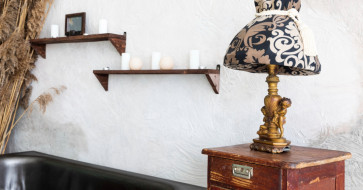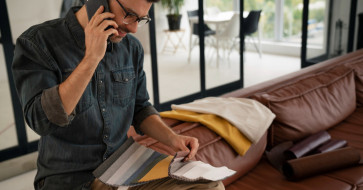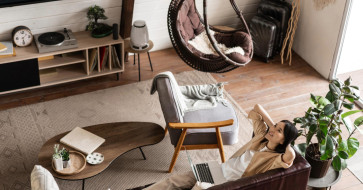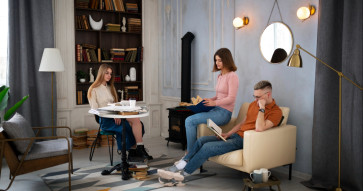
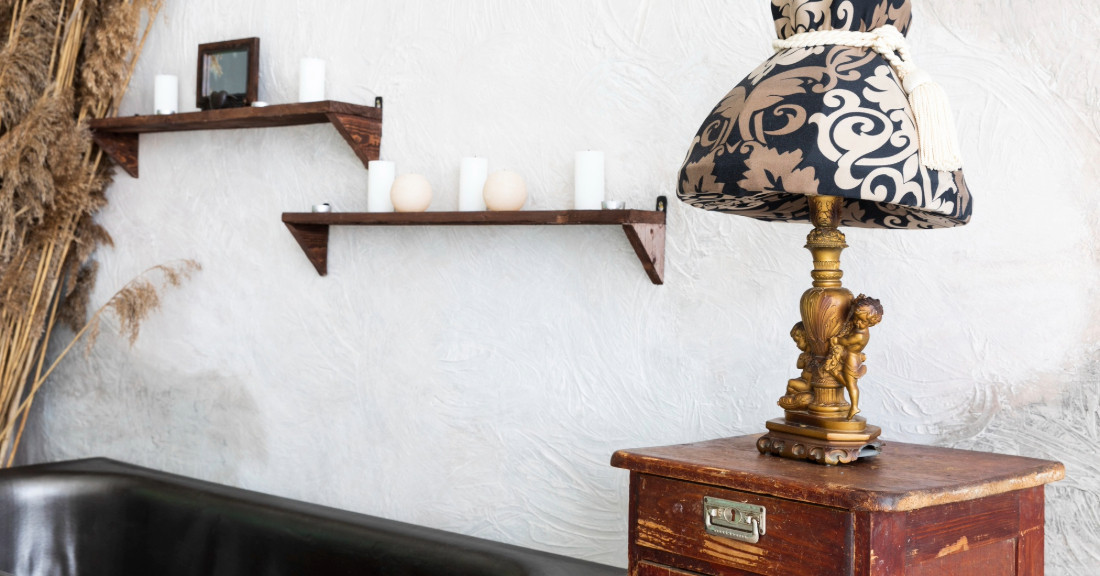
A collected home feels more personal when it reflects the people who live in it. Then matching every piece of furniture in a home combines objects, materials and styles that feel meaningful. An antique wooden cabinet can sit beside a sofa while natural fabrics and handcrafted accessories add warmth. With the balance of colour, texture and proportion vintage organic and modern pieces can work together beautifully.
What Makes a Collected Home Feel Personal?
A collected home focuses on character rather than perfect coordination. A home combines furniture and decorative pieces from periods allowing each item to contribute something distinct. By buying everything from one collection a home chooses pieces based on their quality, usefulness, appearance and personal meaning.
A vintage chair, a contemporary coffee table and a handmade ceramic vase can each have a history while complementing one another. Similar wood tones, complementary colours and repeated natural materials help connect these contrasting elements. Not everything needs to match; the goal is to create a personal space.
Start with a Mix of Vintage and Modern Furniture
furniture introduces history through aged finishes, carved details and traditional craftsmanship. Modern furniture meanwhile often features lines and simple shapes that keep a room looking fresh. Combining these styles creates contrast without making the space feel disconnected.
Begin with one or two statement pieces. An antique sideboard can become the point of a dining room while a contemporary sofa can anchor a living area. Give each piece room to stand out instead of surrounding it with competing objects.
A traditional wooden dining table can look striking with upholstered chairs while a vintage armchair can soften a contemporary living room. Consider scale well. Pairing a cabinet with lighter furniture helps prevent smaller rooms from feeling crowded.
Bring Organic Materials into the Space
Materials connect vintage and modern furniture through texture and warmth. Wood, linen, cotton, wool, stone, rattan and ceramics work across styles making them useful for creating a cohesive interior.Consider a dining area with a wooden table, linen cushions and handmade ceramic tableware. In a living room a wool rug, woven basket and wooden side table can introduce texture without clutter.
Organic materials can also serve purposes. A wood bench linen-covered armchair or stone-topped side table adds character while remaining functional. Plants offer another element, particularly in rooms with neutral colours. Choose varieties that suit the light and the care you can provide.
Choose Dining Furniture That Brings Everything Together
The dining area is a place to combine different furniture styles. When choosing home furniture dining tables a collected home considers the material, shape and finish in relation to the rest of the room. The table does not need to match every chair or cabinet to feel appropriate.
A solid wooden table can ground a room with lighting and upholstered chairs. If the table has a grain or rustic finish, simpler seating can keep the arrangement balanced. Alternatively a modern table can complement cabinets or vintage chairs.
Shape also matters. Round tables suit compact dining areas while rectangular tables often work well in longer rooms. Consider how many people regularly use the space and leave room to move chairs comfortably.
When selecting home furniture dining tables a home prioritises durability and practicality alongside appearance. A suitable table should accommodate meals, work sessions and gatherings according to your household needs.
Use Colour to Connect Design Styles
Colour helps contrasting furniture feel connected without making every piece look alike. Warm white, beige soft grey, muted green and earthy brown provide a background for furniture from different periods,A dark vintage cabinet can stand against a white wall while a cream sofa creates a softer transition between darker wood and lighter accessories. Repeating colours through cushions, artwork, ceramics or rugs helps establish consistency.
For personality a collected home introduces a stronger colour through one statement piece. A vintage chair in blue or olive green can add interest to a neutral living room without overwhelming it.Pay attention to wood tones too. Different finishes can work together when their undertones complement one another. Repeating a wood tone in the room can make the overall arrangement feel more cohesive.
Style Shelves and Accessories Without Creating Clutter
Accessories help tell the story of a home. Yet many objects can make a room feel crowded. Books, photographs, ceramics, vintage finds and souvenirs add personality when they are displayed thoughtfully.
Group objects by colour, material or subject. Ceramics can sit together on a shelf. Books and framed artwork introduce height and variation. Leaving space around these arrangements allows individual pieces to stand out.
Varying heights creates an appearance. Place a vase beside a stack of books.. Combine a small framed print with a larger decorative object. Meaningful items, such as travel souvenirs or family photographs often contribute character than Accessories chosen only to follow trends.
Make the Collected Look Work in Life
A beautiful room should support daily routines as well as look attractive. Before purchasing another piece consider how it will be used, where it will fit and whether it meets a need.Prioritise comfort, storage and durability. Choose seating, practical tables and storage that keeps everyday belongings organised. Before buying vintage furniture check its condition, stability and dimensions.
A collected home does not need to come all at once. Living with a room helps me identify where I need texture, additional seating or a different balance of colour.The same principle applies to home furniture dining tables. Consider the room layout, dining habits and existing materials before making a purchase. A table that works with furniture can create a more personal result than replacing everything with a matching set.
Let Your Home Evolve
Inviting interiors often develop gradually rather than being assembled in one shopping trip. Vintage furniture adds history. Modern pieces provide simplicity.. Organic materials introduce warmth. Together they create a space that still feels organised.
Start with furniture that suits my needs, introduce textures and use colour to connect different elements. Display objects thoughtfully leaving enough breathing room for each piece to contribute to the room.
With a considered mix of old and new a home can feel comfortable, distinctive and personal. Following a fixed design formula focuses on creating surroundings that reflect my taste and the way I live.