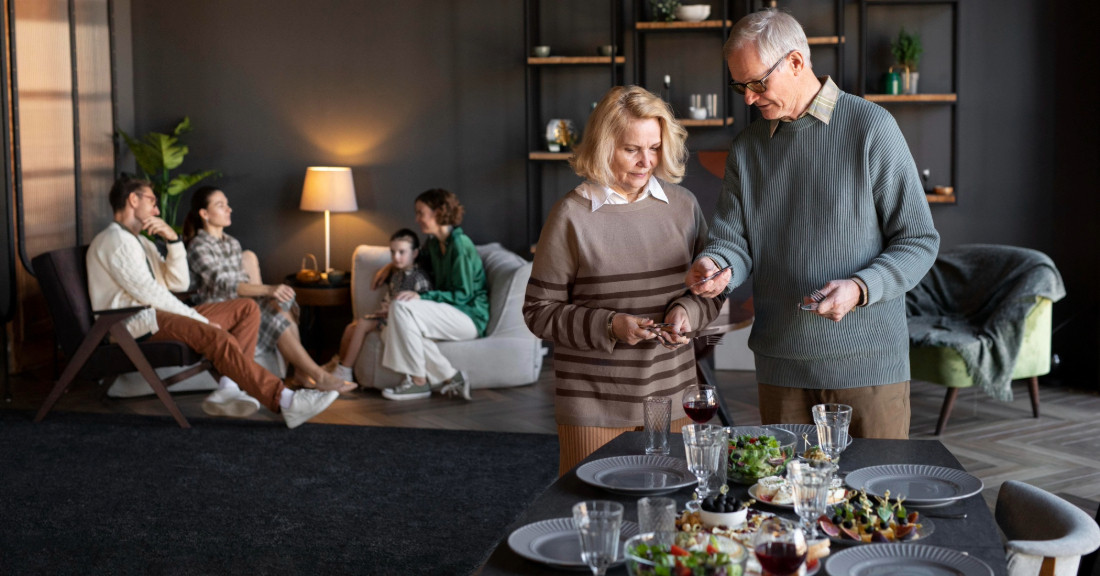
Walk into a few different living rooms across Santa Maria, and you'll notice something interesting: the furniture rarely tells the same story twice. In a household with one generation, the furniture choices usually match a single lifestyle. For example, a couple might choose furniture that fits their style. A young family might pick sturdy furniture. A retired person might prefer comfortable furniture.
When many generations live together, the furniture needs to suit different lifestyles. A recliner for a person's back sits next to a low sofa for a teenager's weekend.
A hard-seated chair for a grandparent is located next to soft floor cushions in a small child's play area. Furniture becomes a physical manifestation of the varying number of people and the various requirements of those residing under one roof.
This difference is what is really needed to begin designing a shared living room well. It is not the showroom; it is not about assembling pieces that fit nicely together. It's about understanding that the grandparent, working parent, and grandchild have different needs, and they're asking the same room to do different jobs, which is where great furniture choices come in. This is now a lifestyle for more families in Santa Maria, not only because they have to but because they want to. As parents grow older, they come in to stay with their grandchildren. They bring money home for their parents to buy a house. They save money at home to buy a house for their parents. It is easier to live together than apart, so extended family comes together under one roof. For whatever reason, the living room is the heart of the home; and, yes, the major design challenge, too.
Why the Living Room Carries So Much Psychological Weight
Each room in a house serves a function, and the living room's role is particularly complex. It's where the rest of the world goes when it's time for a rest, but it's also where arguments are sorted out, homework is checked, birthday parties are thrown, and quiet, placid evenings are spent with little or no conversation. The study of home environments suggests that family mood is more likely to be observed in common areas than in individual bedrooms, as most interactions occur there.
This is multiplied in a multi-generational household. The grandparent might require a low-glare reading corner and an easy-to-use chair. A working parent may need a place to relieve stress after a long workday. Children need room for play and study with toys or their homework. If the living room doesn't exhibit these differences, a few small conflicts arise; someone always feels it was built around everybody else. When it's done right, the exact opposite happens: the room reflects the family's sensitivity towards the person, and this is a subtle but powerful message in your house.
It's where creative furniture design isn't just about aesthetics, but also emotional health. Having the right seating arrangement can reduce the number of small daily negotiations in the family. Certainly, proper lighting can help a grandparent feel at ease remaining in the main room longer than earlier. There's nothing dramatic about any of this. It is additive, which is why it's important.
Zoning Without Walls
One way to make a shared room work is to use zoning. Zoning is when you create areas within a large open space. This way people can do things at the same time without bothering each other. You do not have to fix up the room to do this. You just need to use furniture that creates borders that a family can sense without being told where they are. Zoning is really good for making a shared room feel comfortable. Zoning helps people know where one area ends and another begins.
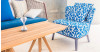
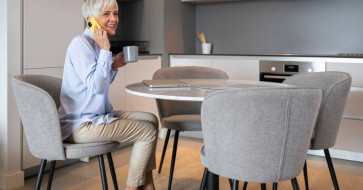
A reading corner by the window, backed by a cosy accent chair, subtly implies, “this is a more relaxed area.” A “group gathering” area is established with a media zone consisting of a sectional and a media console. A small side table with two chairs, by the kitchen pass-through, can be a place for a grandparent and grandchild to take an informal seat and play cards while dinner is being prepared in the other room. Doors are not required in any of these zones. They require furniture strategically set up.
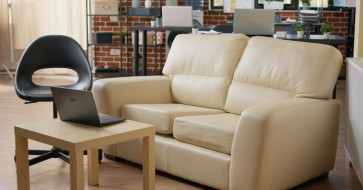
For homes in Santa Maria, where many living rooms open directly into dining or kitchen areas, this kind of soft zoning does a lot of work. It lets the room flex between a busy Sunday afternoon and a peaceful Tuesday evening without anyone rearranging a single thing.
Seating Which Values Everyone in the Room

Comfort isn’t one-size-fits-all, and pretending it is one is one of the most common mistakes in multigenerational living room design. A deep, low sofa that a college student finds perfectly lounge-worthy can be genuinely difficult for an older adult with joint pain to get out of. A firm, upright chair that supports an ageing back might feel stiff and uninviting to a younger family member seeking to relax.
The solution is no "good enough." It's intentional variety! It will be a combination of heights and firmness, such as a comfortable recliner, a medium-height accent chair, or a plush sectional. At least someone in the house will be able to find something comfortable. Many people don't understand its importance, but it is. If you have the opportunity to select your seat, whether it's a simple glider or a specific position, it's a small message that their comfort was taken into account. Over time, that signal turns into a sense of belonging to a common space.
Special attention should be paid to the recliners in these homes. If you have a well-designed recliner with proper lumbar support and a convenient lifting mechanism, the decision between a grandparent hanging out her evenings with family in the living room and the bedroom in quiet discomfort will rest with you, not so much a detail of design as a matter of connection and isolation: same roof.
Sound, Light, and the Overlooked Sense of Territory
Families can have more than one generation that is living on the same schedule and therefore needing the same sensory support. One person desires to see television and another a quiet. Some people like the light on so they can read; others prefer to keep it dark and take an afternoon nap. If a living room disregards this reality, family members must continually grapple with the fundamental question of comfort, an exhausting task that one can underestimate.
This is where multilevel lighting can prove to be very useful. Each area has its own control, with a reading chair and a floor lamp, a dimmer for the general room light and a smaller accent light next to the favourite corner. Some sound can be absorbed by rugs and textiles, which can help muffle noise and acoustic chaos in a noisy family home without undertaking complete renovations.
There is also a psychological need at play, which is territory. Even when people are in a room with others, they like to have a spot that feels like their territory. This spot does not need a sign. It can be a chair, a particular corner, or even a favourite footstool. Having these areas that feel like their own gives family members a sense of stability in a room used by everyone. The way the furniture is arranged can. Help people feel like they have their own territory, or they may feel like they do not have any. Homes that get the furniture arrangement right tend to feel calmer and more peaceful. This is something that people may not even notice, but it is still nice to have a calm home with a good furniture arrangement that supports the need for territory.
Choosing Furniture That Grows With the Household
Co-habitation of multiple generations is not permanent. Children become adults, grandparents' needs change, and children leave home, and oftentimes return. Furniture selected for a shared living room can adapt to these changes, but not by being replaced each time the family composition changes.
Modular sectionals can be especially adapted for such versatility. As the family's needs change, pieces can be rearranged, added or removed, but without ever feeling like starting over from scratch. Another plus of durable, easy-to-clean upholstery is that it enhances comfort for homes with young children, pets, and older adults who use the same cushions every day. It's not a matter of getting the least expensive thing that will last long enough through years of wear and tear; it's about getting things that will hold up well in real, multi-layered family life for years.
A Room That Reflects the Household Living In It
When it comes to a multi-generational living room design in Santa Maria, it's all about empathy and design. A simple, but often overlooked question: is this room used by everyone, or is it being decorated by everyone?
Simply moving the answer to a different location is not enough to correct the error. It takes watching: watching how the grandparent walks around the room, where the teen feels at ease, where the toddler is the unofficially sanctioned playground, etc., watching. The furniture is just a way that those observations come to life.
If your household in Santa Maria is dealing with this kind of shared living, it can help to walk through the space with someone who thinks about these conditions for a living. The team at Willhite Furniture works with families across Santa Maria to design living rooms that hold up to real, everyday, multigenerational life, comfortable enough for an everyday evening, and equipped for whatever the whole family brings into the room next.