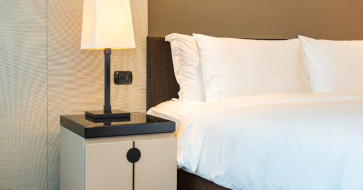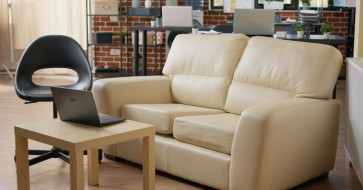
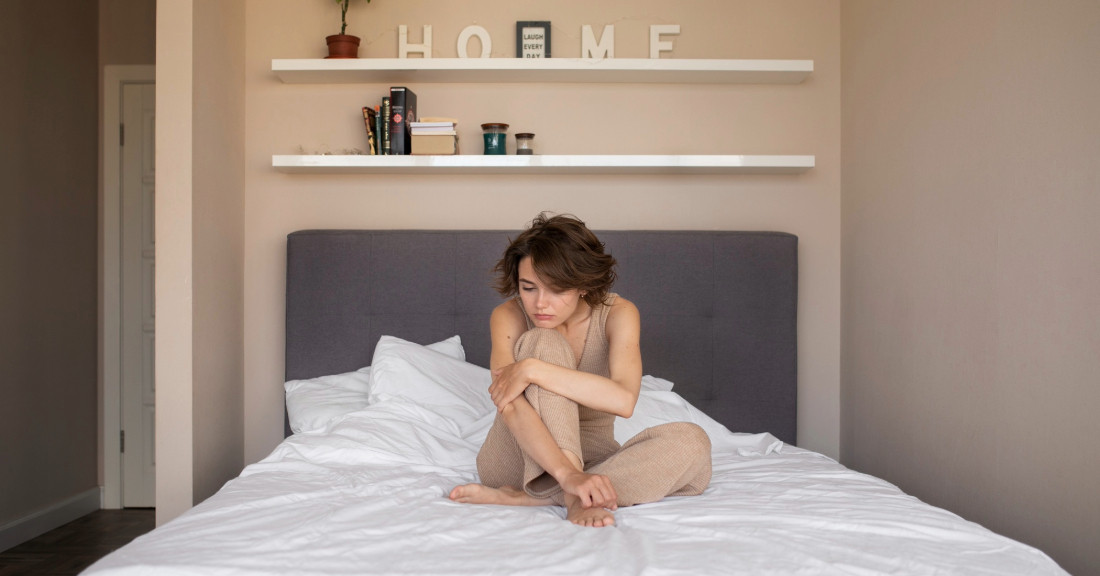
When you walk into Santa Maria, you will see that in almost all houses the door to their home is shut. Inside, there is a tidy, unslept-in bed, perhaps a dresser with items that could not be put neatly in the house, and a feeling of quiet that is not present in the rest of the house. It's not storage, but it's something. It's not really a bedroom. It is the "guest room" to be used by one, but not used by any.
When you're a homeowner, you don't think about this room until a friend tells you about it, or you notice that you have a slight, elusive ache when you walk past it. In fact, people don't often say what it really is – a quiet guilt. A sense that something in your own home is falling below that one standard, and that it somehow has a greater impact on you than it does.
Why an Empty Room Feels Like an Open Question
Unused guest rooms are clumpy spaces that people are not comfortable with at all. All the other rooms in the house have a defined and ongoing function and are reinforced every day. The kitchen is used during breakfast. Stay in the living room in the evening. The guest room, however, is very between, very ready, and actually very unused.
That idle is different than an empty corner in your closet or the corner of your garage. I had a guest room prepared and "for use by another person", as it were, for a visiting parent, a friend on a passing trip, a family member who may one day need a place to land. If it is empty, it can become an unfulfilled promise, although no one was promised anything. The room is a silent reminder that people aren't visiting as frequently as they did before, or plans are continually delayed. The emotional burden is more on the shoulders of a spare room than is generally anticipated.
This may be especially true in Santa Maria families, where extended family is often very friendly, and there may be a sense of obligation to extended family to make space for visits. The visitor room was set up with intent; real furniture was bought, but life did not fill out as it was hoped it would. Typically, the place of guilt is in the "things I want to do but don't" section.
The Psychology of “Just in Case” Spaces
Guest rooms usually get protected by a single phrase: “just in case.” Just in case someone visits. Just in case a family member needs to stay a while. Just in case plans change. That phrase feels responsible in the moment, but psychologically, it does something interesting — it puts a room permanently on hold, waiting for a hypothetical event that may or may not ever happen.
Holding a space in this kind of limbo has a cost, even if it’s not obvious day-to-day. A room that exists for a rare, occasional event still requires mental and physical upkeep the other 350-plus days of the year. It gets dusted. It gets walked past. It occupies square footage in a home that could be serving the people who actually live there right now. And because it’s rarely used, it also rarely gets the small, ongoing attention that makes a space feel cared for — so it tends to slowly go a little stale, which only reinforces the sense that something in the house isn’t quite right.
There’s also a subtler layer here. Keeping a room in “just in case” status can be a way of avoiding a decision rather than making one. Deciding what a room is actually for takes a small amount of emotional commitment — an admission that maybe those visits aren’t as frequent as they once were, or that priorities have shifted. Leaving the room exactly as it is sidesteps that decision entirely. It feels safer, but it also means the guilt never really resolves either.
What an Unused Room Says About the Rest of the House
An empty guest room doesn’t just sit there quietly on its own — it changes how a household relates to its own space. Family members often develop a kind of blind spot around it, mentally subtracting it from the home’s usable footprint without ever formally deciding to do so. That’s a strange thing to do with an entire room, especially in homes across Santa Maria where space, and the furniture that fills it, was chosen deliberately and at real cost.
This blind spot can subtly restrict a household without them realising it, and in ways that they don't always associate with the room. A parent who is working at the family dinner table may not subconsciously notice that there is a good room in the house down the hallway that isn't being used because the guests are not being used. Sometimes the missing element isn't that there isn't enough space – it's that there's a room that's always been set aside but never really used.
Turning “Just in Case” Into “Also For”
The way out of this isn’t necessarily to get rid of the guest room. For many households, especially larger, multigenerational ones common across Santa Maria, having a space ready for visiting family is genuinely valuable and worth protecting. The shift that actually resolves the quiet guilt is smaller than a full renovation: it’s turning a room that only exists “just in case” into one that’s “also for” something else every single day.
A daybed could also serve as a good guest room bed or as a complement to a reading chair. When you're not using the square footage, a fold-away desk can transform into a functional home office and can be folded and tucked away into a corner in minutes. A simple, sleep-saving desk, shelf, or bookshelf can turn this room into a “hobby room” or “media room” most of the time, and into a functional guest room a few times a year if you get it right.
This type of twin-use furniture goes beyond its functional use. It does the emotional one, as well. A room used daily, versus a room where you don't use it for months and months, waiting for someone to come visit you. Instead, the room is a place of value, meaning and presence, and calls people in when they come, a room of life.
Letting the Room Reflect How the Household Actually Lives
People's discomfort with an unused guest room is typically not about the room itself, but about the whole situation. It's the difference between the house in the imagination and the house in reality. Don't stop having visitors over; just try to make a difference. It simply needs to be straightforward about how frequently this really happens and to design the room to the needs of the household first and foremost, rather than the guests.
When families in Santa Maria are considering the furniture needed for that unused space, it can be helpful to brainstorm furnishings with someone who knows how to make one room truly multi-functional without sacrificing any of its charm. Willhite Furniture's team works with homes in Santa Maria to transform “just in case” spaces into comfortable, welcoming spaces for everyday living and for the next guest who calls.